
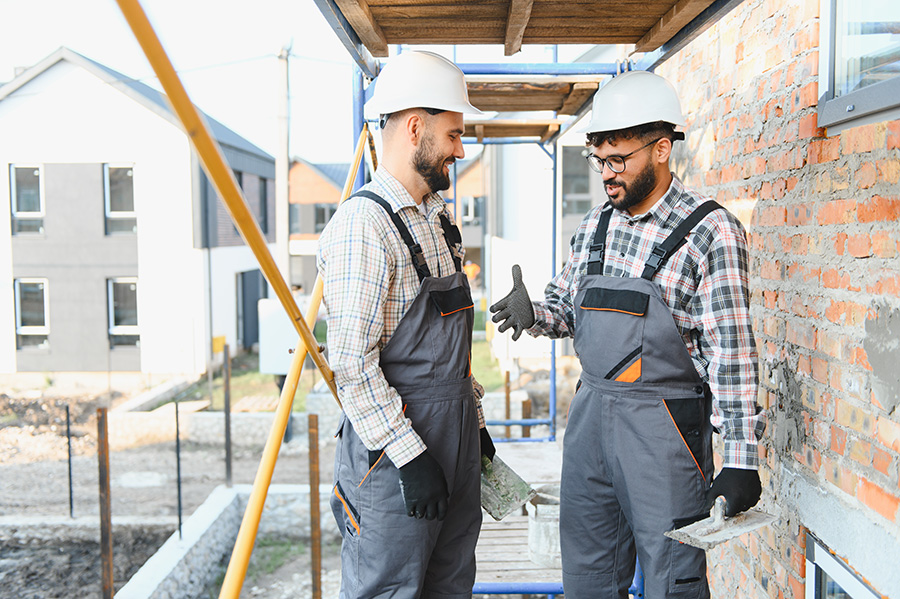
When people think about what makes a great tradesperson, practical skills usually come to mind first. Knowing how to use the right tools, understanding technical drawings, diagnosing problems and completing work safely and accurately are all essential.
But there’s another skill that can have a significant impact on your success in the trades: communication.
Whether you’re an apprentice learning from an experienced tradesperson, a qualified worker dealing with clients, or a supervisor coordinating a team, the ability to communicate clearly can make workplaces safer, more productive and easier to work in.
Strong communication isn’t about being the loudest person on site or being great at public speaking. In the trades, it’s about understanding instructions, asking the right questions, sharing important information and making sure everyone involved in a job knows what needs to happen.
Here’s why communication skills matter more than you might think.
Communication Is Part of Getting the Job Done
Trade work rarely happens in isolation.
On any given job, you might need to communicate with supervisors, apprentices, other trades, suppliers, contractors, clients or site managers. Even when your role is highly practical, information needs to move between people for the work to run smoothly.
This could involve discussing plans for the day, confirming measurements, reporting a problem with equipment, explaining a delay or coordinating your work with another trade.
Small misunderstandings can quickly become bigger problems.
If an instruction isn’t clear or an important detail isn’t passed on, it could lead to rework, delays, incorrect materials being ordered or work being completed in the wrong sequence.
Clear communication helps everyone understand what is expected and keeps the job moving in the right direction.
Good Communication Supports a Safer Workplace
Communication is also an important part of workplace safety.
Trade environments can involve machinery, vehicles, power tools, hazardous materials, working at heights and many other potential risks.
Workers need to be able to communicate hazards, understand safety instructions and speak up when something doesn’t look right.
Imagine noticing a damaged piece of equipment but failing to tell the next person using it. Or a worker misunderstanding instructions about an exclusion zone around operating machinery.
In these situations, communication isn’t simply about productivity. It can directly affect workplace safety.
Good safety communication may include participating in toolbox talks, reporting hazards, confirming instructions, communicating changes to work conditions and ensuring workers understand safe work procedures.
A strong safety culture depends on people feeling comfortable raising concerns and sharing information.
Asking Questions Is a Valuable Trade Skill
For apprentices in particular, asking questions is an important part of learning.
No apprentice is expected to know everything when they begin. Training is about gradually developing practical skills, technical knowledge and confidence through a combination of structured learning and workplace experience.
If you’re unsure about an instruction, asking for clarification is usually far better than guessing.
Experienced tradespeople have accumulated years of knowledge through their own training and workplace experience. Asking thoughtful questions allows apprentices to learn from that knowledge.
Questions such as “Why are we doing it this way?”, “Can you show me that again?” or “What should I check before I start?” can help develop a deeper understanding of the trade.
Communication therefore becomes part of building competency—not something separate from practical training.
Listening Is Just as Important as Speaking
Being a good communicator doesn’t simply mean being able to explain something well.
On a busy worksite or in a workshop, there can be plenty happening at once. Being able to listen carefully to instructions and understand what is being asked can prevent mistakes.
For apprentices, active listening can help them learn techniques correctly and understand workplace expectations.
For experienced workers, listening can be just as valuable. A colleague may have noticed an issue you haven’t seen, an apprentice may raise a legitimate safety concern or a client may explain something that changes how the job needs to be approached.
Good tradespeople don’t just communicate information clearly—they also take the time to understand the information being given to them.
Communication Helps Different Trades Work Together
Construction, engineering and manufacturing environments often involve multiple people and trades working towards the same outcome.
One person’s work can directly affect another person’s ability to complete theirs.
On a construction project, for example, carpenters, electricians, plumbers, tilers, painters and other trades may all need to coordinate their work. In engineering environments, maintenance teams, fabricators, mechanical tradespeople, operators and supervisors may need to communicate about equipment, production schedules and maintenance requirements.
If everyone works without communicating, problems can arise quickly.
Clear communication helps teams coordinate tasks, identify potential clashes and make sure work happens in the correct order.
It also helps create a workplace where people respect each other’s roles and understand how their own work fits into the bigger picture.
Strong Communication Can Reduce Mistakes and Rework
Mistakes cost businesses time and money.
While some errors are technical, others happen because information hasn’t been communicated properly.
A measurement may have changed but not been passed on. A worker might misunderstand which materials are required. A client request may not reach the person completing the work.
Taking an extra minute to confirm important information can sometimes prevent hours of unnecessary rework.
This is particularly important when dealing with technical drawings, specifications, measurements and job instructions.
A useful principle in the trades is simple: if you’re unsure, clarify before you continue.
Dealing With Clients Requires Different Communication Skills
As tradespeople progress through their careers, many find themselves dealing more directly with customers and clients.
Technical ability remains essential, but clients also value tradespeople who are reliable, professional and easy to communicate with.
This might involve explaining what work needs to be completed, discussing timelines, providing updates or explaining an unexpected problem.
Clients don’t necessarily understand technical trade terminology, so being able to explain something in clear, straightforward language can make a significant difference.
Good communication helps build trust, manage expectations and create a more professional customer experience.
For tradespeople who eventually want to run their own business, these skills become even more important.
Communication Matters as Your Career Progresses
The further you progress in your trade career, the more communication may become part of your role.
An experienced tradesperson may begin mentoring apprentices. A leading hand might coordinate a small team. A supervisor may need to organise jobs, communicate with management and resolve workplace issues.
At these levels, being technically excellent isn’t always enough.
You also need to be able to pass your knowledge on to others.
A skilled tradesperson who can clearly explain a process, demonstrate a task and provide constructive feedback can play an important role in developing the next generation of workers.
Leadership in the trades often starts with good communication.
Digital Communication Is Becoming Part of the Modern Trade
Communication in the trades is also changing.
Worksites and workshops increasingly use digital tools to share plans, submit job reports, record maintenance, complete safety documentation and communicate with teams.
Tradies may now need to use mobile apps, tablets, digital job management systems, email and electronic documentation as part of their everyday work.
Being comfortable communicating clearly in writing as well as face-to-face is becoming increasingly valuable.
A short, accurate job note or maintenance report can help the next worker understand exactly what has happened and what still needs to be done.
Technical Skills and People Skills Work Together
Communication will never replace practical trade skills—but the two work together.
You can be technically excellent at your trade, but if you can’t communicate a safety concern, understand instructions, coordinate with colleagues or explain a problem, your effectiveness in the workplace can be limited.
Likewise, strong communication without the technical skills required for the job isn’t enough.
The most capable tradespeople develop both.
They know their trade, but they also know how to work effectively with the people around them.
Building More Than Technical Skills with Gimbal Training
At Gimbal Training, vocational education is about preparing people with the practical skills and knowledge needed to perform effectively in real workplaces.
Whether you’re beginning an apprenticeship, developing your existing skills or exploring Recognition of Prior Learning (RPL), becoming a capable tradesperson involves more than simply knowing how to use the tools.
Communication, teamwork, safety awareness, problem-solving and professionalism all contribute to how effectively you perform your role.
As industries continue to change, these broader workplace skills will remain valuable across construction, engineering and other trade environments.
Become the Tradie People Want on Their Team
The best tradespeople aren’t necessarily the ones who talk the most. They’re the ones who know when to listen, when to ask questions and when important information needs to be shared.
Good communication can help prevent mistakes, improve safety, strengthen teamwork and build better relationships with clients and colleagues.
It can also become increasingly important as you progress from apprentice to qualified tradesperson and potentially into supervisory, mentoring or business roles.
So while developing your technical skills should always be a priority, don’t underestimate the value of learning how to communicate effectively.Your trade skills may help you do the job—but strong communication can help you become the person everyone wants on the job.