
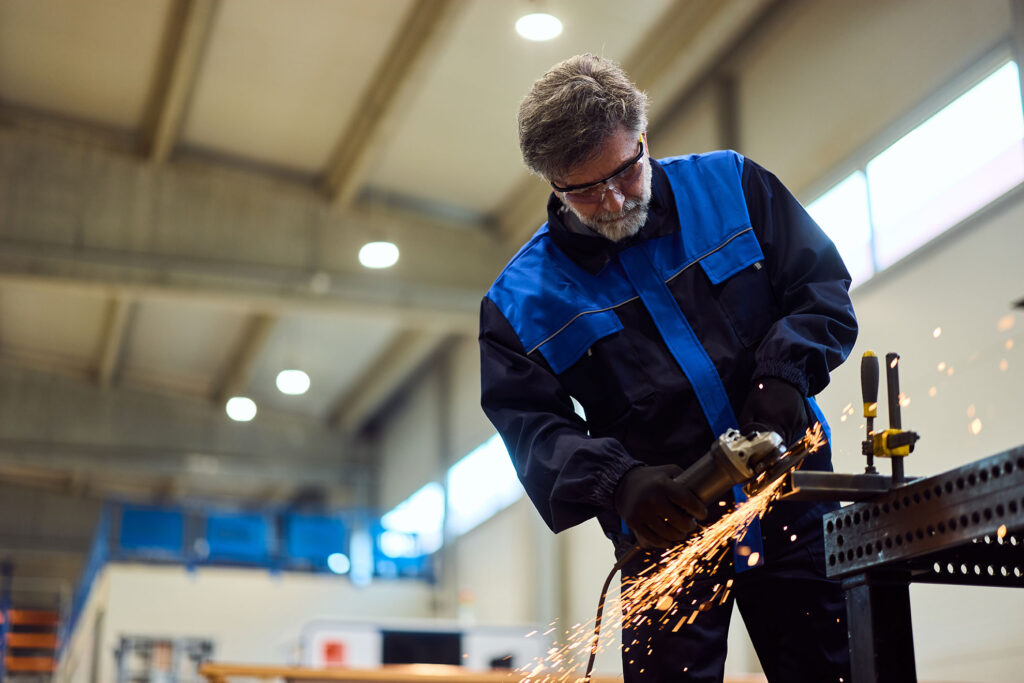
Becoming a qualified fabricator involves much more than learning how to weld. Throughout an apprenticeship, fabricators develop a broad range of practical, technical and professional skills that allow them to turn raw materials into finished components, structures and equipment.
These skills build gradually through a combination of formal training, hands-on workplace experience and guidance from experienced tradespeople. As an apprentice progresses, they move from completing basic tasks under close supervision to planning work, solving problems and producing quality fabrication work with greater independence.
Building Strong Trade Foundations
At the beginning of an apprenticeship, the focus is generally on learning how to work safely and effectively within an engineering or fabrication environment.
Apprentices become familiar with workplace procedures, common materials, workshop equipment and the correct use of hand and power tools. They also begin developing essential habits such as keeping the work area organised, following instructions carefully and checking their work before moving on to the next stage.
These foundational skills may appear simple, but they are critical. Safe work practices, attention to detail and good preparation influence the quality of every fabrication job an apprentice completes.
Measuring and Marking Out
Accuracy is one of the most important skills in fabrication.
Apprentices learn how to measure, calculate and mark out materials according to engineering drawings, dimensions and job specifications. This may involve using tape measures, squares, gauges, rules and other precision measuring equipment.
As their knowledge develops, apprentices begin to understand:
- dimensions and tolerances
- angles and alignment
- cutting and bending allowances
- material thicknesses
- the importance of checking measurements before cutting
Even a small measuring error can result in wasted materials, poor alignment or components that do not fit correctly. Developing a careful and methodical approach helps apprentices reduce mistakes and improve the overall quality of their work.
Interpreting Engineering Drawings
Engineering drawings communicate how a component or structure needs to be manufactured.
During their training, apprentices learn how to interpret dimensions, symbols, different views, sections, material specifications and assembly instructions. Depending on their workplace, they may also develop an understanding of welding symbols and more complex fabrication drawings.
This skill allows apprentices to understand not only what they are making, but how each individual part fits into the completed job.
Reading drawings can be challenging in the early stages. However, regular exposure to real projects helps apprentices become more confident in identifying the information they need before beginning a task.
Understanding Different Materials
Fabricators may work with materials such as steel, stainless steel, aluminium, sheet metal, structural sections, pipes and tubes.
Each material behaves differently when it is cut, heated, formed or welded. Throughout an apprenticeship, fabricators develop a better understanding of these characteristics and learn how to choose suitable tools, equipment and processes for the job.
Material knowledge also helps apprentices manage issues such as heat distortion, surface damage and the preparation required before welding or assembly.
Cutting, Forming and Preparing Materials
Before components can be assembled, materials must usually be cut and prepared accurately.
Depending on the workplace, apprentices may gain experience using equipment such as saws, grinders, guillotines, drills, plasma cutters and thermal-cutting equipment. They also learn how to remove sharp edges, prepare joints, clean surfaces and check that each piece is ready for the next stage.
Apprentices may also develop forming and shaping skills, including bending, rolling or pressing materials. This involves understanding how the material will respond, selecting the correct machinery settings and allowing for factors such as spring-back and bend allowances.
Good preparation makes the later stages of fabrication more efficient and supports a better-quality result.
Developing Welding Skills
Welding is an important part of many fabrication roles, although it represents only one area of the trade.
During an apprenticeship, fabricators may be introduced to several welding processes depending on their workplace and training plan. They learn how to prepare joints, position components, tack weld, select suitable equipment settings and manage heat input.
As their experience increases, apprentices may progress from basic welding exercises to completing more complex fabrication work involving different materials, welding positions and job specifications.
They also learn how to identify common defects and inspect their work for consistency, strength and finish. These skills are developed through practice, feedback and the opportunity to complete a variety of workplace tasks.
Assembling Fabricated Components
Fabrication involves bringing individual pieces together to create a finished component or structure.
Apprentices learn how to position, align, clamp and assemble materials according to drawings and specifications. They may use jigs and fixtures to hold components in place while checking measurements, angles and alignment.
They also begin to understand the importance of planning the correct fabrication sequence. Completing a job in the wrong order can make some areas difficult to access, affect alignment or increase the risk of distortion.
With experience, apprentices become better at thinking ahead and considering how each stage of the job may affect the finished product.
Quality Control and Problem-Solving
A qualified fabricator must be able to recognise whether their work meets the required standard.
Throughout the apprenticeship, fabricators learn to check:
- dimensions and tolerances
- alignment and fit
- weld quality
- surface finish
- distortion
- compliance with drawings and specifications
Rather than waiting until the job is finished, apprentices are encouraged to check their work throughout the fabrication process. This makes it easier to identify and correct issues before they result in significant rework or material waste.
Problem-solving skills also become increasingly important. Components may not align as expected, materials may move during welding or drawings may require clarification. With support and experience, apprentices learn how to identify the cause of a problem, consider possible solutions and recognise when they need to seek guidance.
Developing Professional Workplace Skills
Technical ability is only one part of becoming a successful fabricator.
Apprentices also develop professional skills such as communication, teamwork, reliability, time management and accountability. They learn how to work alongside supervisors and other tradespeople, receive constructive feedback and take responsibility for the quality of their work.
As apprentices progress, they are usually trusted with more complex tasks and require less direct supervision. By the later stages of their apprenticeship, they may be able to plan parts of a job, select appropriate tools, complete fabrication work to specification and monitor their own quality and safety.
Gimbal’s Fabrication Trade Qualification
Gimbal Training offers the nationally recognised MEM31925 Certificate III in Engineering – Fabrication Trade through an apprenticeship pathway or Recognition of Prior Learning for eligible experienced workers.
The qualification covers areas including engineering measurements, technical drawings, work planning, hand and power tools, metal cutting, forming, welding, fabricated-component assembly and safe workplace practices. Elective units are selected in consultation with the employer so the training plan aligns with the apprentice’s workplace and area of specialisation.
Apprentices complete their theory online while developing practical skills in the workplace, with Gimbal trainers conducting regular on-site visits to support training, assessment and progression. The apprenticeship may take up to four years depending on the apprentice’s progress, while eligible experienced workers may complete the qualification through RPL.
Possible career outcomes include working as a fabricator, welder, sheet metal worker or boilermaker, with opportunities to develop further expertise in areas such as structural, pipe or marine fabrication.
Supporting the Journey to Qualification
Developing a qualified fabricator takes time, practical experience and cooperation between the apprentice, employer and training provider.
Employers support this journey by providing varied workplace tasks, suitable supervision and regular feedback. The apprentice contributes by practising their skills, asking questions and taking increasing responsibility for their work. The training provider helps connect workplace experience with the formal skills and knowledge required by the qualification.
At Gimbal Training, we work closely with employers and apprentices to deliver practical, industry-focused training that supports the development of capable and confident fabrication tradespeople.
Contact Gimbal Training to learn more about the MEM31925 Certificate III in Engineering – Fabrication Trade and how we can support your apprentices and workforce.