
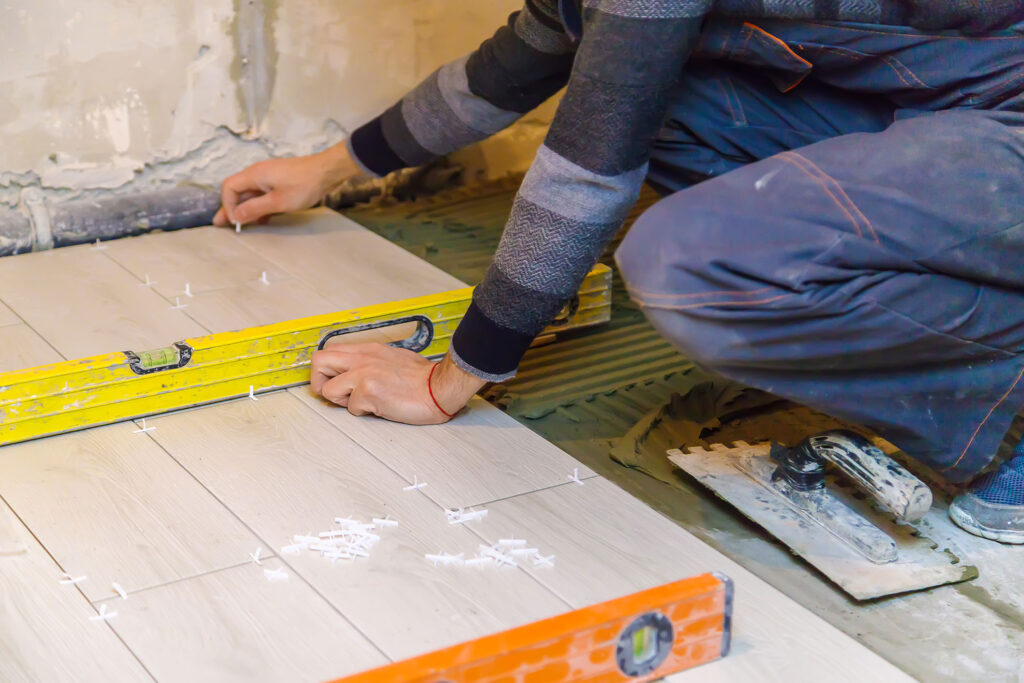
The wall and floor tiling industry has come a long way over the past decade. While quality workmanship, precision and attention to detail remain at the heart of the trade, advances in technology are transforming how tilers plan, measure, install and deliver projects.
From laser measuring tools and improved waterproofing systems to large-format porcelain panels and digital design software, today’s tilers are working with more advanced materials and equipment than ever before.
For anyone looking to build a successful career in the industry, staying up to date with these changes is becoming just as important as mastering traditional tiling techniques.
The Modern Tiler’s Toolbox
Gone are the days when a tape measure, spirit level and tile cutter were the only essential tools on site.
Today’s professional tilers often use technology to improve accuracy, reduce waste and deliver a higher-quality finish.
Some of the innovations now commonly seen on worksites include:
- Laser levels for precise layouts
- Digital measuring devices
- Electric tile cutters for cleaner, more accurate cuts
- Large-format tile handling systems
- Tile levelling systems
- Improved dust extraction equipment
- Advanced waterproofing products
- Modern adhesives and grouts designed for specific tile materials
These tools help increase efficiency while improving consistency across residential and commercial projects.
The Rise of Large-Format Tiles
One of the biggest trends changing the industry is the growing demand for large-format tiles.
Popular in modern homes, luxury bathrooms and commercial developments, these oversized tiles create clean lines and fewer grout joints.
However, installing large-format tiles requires different techniques and specialised equipment. Handling, cutting and laying these products demands a higher level of precision and planning than traditional tiles.
As these products become more common, employers increasingly value tilers who understand the correct installation methods and industry best practices.
Better Waterproofing Systems
Waterproofing has become an increasingly important part of professional tiling.
Modern waterproofing systems are designed to provide improved durability while helping buildings meet current Australian standards.
Correct preparation, product selection and application techniques all play an important role in achieving long-lasting results.
As products continue to evolve, ongoing training helps tilers remain confident when working with new materials and installation methods.
Digital Plans and Site Technology
Construction sites are becoming increasingly digital.
Instead of relying solely on printed plans, many builders and contractors now use tablets, smartphones and cloud-based software to manage projects.
Tilers are often expected to:
- Read digital plans
- Access project information electronically
- Communicate with site supervisors through digital platforms
- Record progress using mobile technology
- Share photos of completed work
Being comfortable using technology has become an increasingly valuable skill alongside practical trade knowledge.
New Materials Mean New Skills
Homeowners and commercial clients now have access to an enormous range of tiling products.
Alongside traditional ceramic tiles, modern projects may include:
- Porcelain panels
- Natural stone
- Glass mosaics
- Decorative feature tiles
- Textured finishes
- Outdoor paving systems
Each material requires different cutting techniques, adhesives, grouts and installation methods.
As products continue to evolve, tilers who continue developing their skills are well positioned to take advantage of new opportunities across the construction industry.
Technology Supports Quality—It Doesn’t Replace Skill
While technology has improved efficiency, it hasn’t replaced the expertise of a qualified tiler.
Successful projects still rely on the knowledge and judgement of experienced tradespeople.
Surface preparation, accurate measurements, tile layout, waterproofing and achieving a professional finish all require practical skills developed through training and workplace experience.
Technology is simply another tool that helps skilled tilers work more efficiently and deliver outstanding results.
Why Formal Training Still Matters
As the industry evolves, having a nationally recognised qualification provides confidence that your skills meet current industry standards.
The CPC31320 – Certificate III in Wall and Floor Tiling equips apprentices and experienced tradespeople with the practical skills and knowledge required to work confidently across residential and commercial construction projects. The qualification covers essential tiling techniques, surface preparation, waterproofing, measurements, planning, safety practices and the installation of a wide range of wall and floor tiling systems. It is available through both apprenticeship and Recognition of Prior Learning (RPL) pathways.
Whether you’re beginning your career or looking to formalise years of industry experience, gaining this qualification can enhance your employment opportunities, support career progression and provide formal recognition of your skills.
Future-Proof Your Career
Technology will continue to shape the construction industry, and tiling is no exception.
The most successful tilers are those who combine traditional craftsmanship with modern tools, materials and installation techniques.
By investing in your skills and staying up to date with industry developments, you’ll be well placed to meet changing client expectations and build a rewarding long-term career. If you’re ready to start your journey or gain formal recognition for your existing experience, Gimbal Training’s CPC31320 – Certificate III in Wall and Floor Tiling can help you take the next step towards becoming a nationally qualified tiler.