
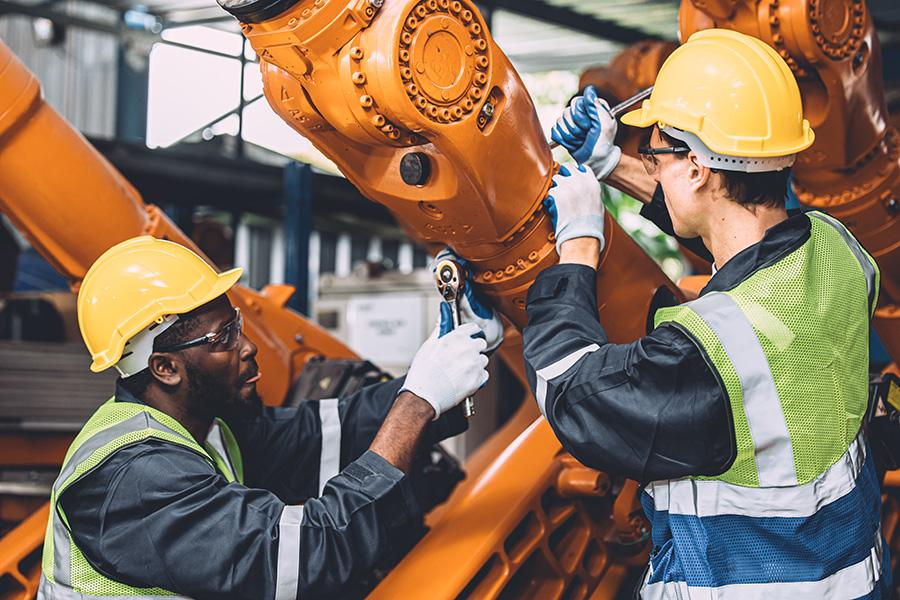
In engineering, keeping machinery and equipment running safely and reliably is just as important as knowing how to build, repair or operate it.
That is where preventative maintenance comes in.
Preventative maintenance is the regular inspection, servicing and upkeep of machinery before a major fault or breakdown occurs. Instead of waiting until something stops working, maintenance is planned to help identify wear, damage or developing problems early.
For engineering businesses, this can mean less downtime, safer workplaces, longer equipment life and more reliable day-to-day operations.
For apprentices and tradespeople, understanding preventative maintenance is also an important part of developing practical engineering skills.
What Is Preventative Maintenance?
Preventative maintenance involves carrying out planned checks and servicing at regular intervals.
Depending on the equipment, this might be based on:
- Operating hours
- Time intervals
- Manufacturer recommendations
- Workplace maintenance schedules
- Equipment usage and operating conditions
Typical preventative maintenance tasks can include inspecting components, checking fluid levels, lubricating moving parts, replacing worn items, tightening connections, cleaning equipment and identifying signs of damage or deterioration.
The aim is simple: find and address problems before they become bigger, more expensive failures.
Why Does Preventative Maintenance Matter?
Engineering equipment is often exposed to heavy workloads, vibration, heat, friction and repeated use.
Over time, even small amounts of wear can affect how safely and efficiently a machine operates.
A loose fitting, worn bearing or damaged hydraulic hose may seem minor at first, but if it is left unchecked, it can contribute to a much larger mechanical failure.
Preventative maintenance helps businesses manage these risks in a planned way rather than reacting after something has already gone wrong.
Reducing Unplanned Downtime
Unexpected equipment breakdowns can interrupt an entire job or production process.
If a critical machine fails, workers may be unable to continue until the fault has been diagnosed, parts sourced and repairs completed.
Regular maintenance helps reduce the likelihood of these unexpected interruptions.
It also allows businesses to schedule servicing at more suitable times, rather than dealing with repairs in the middle of an important project.
Supporting Workplace Safety
Poorly maintained equipment can also create workplace hazards.
Regular inspections can help identify issues such as:
- Damaged guards
- Worn components
- Fluid or hydraulic leaks
- Loose fittings
- Electrical damage
- Excessive vibration
- Abnormal noise
- Faulty safety systems
Recognising these warning signs early can help prevent equipment failures that could put workers at risk.
This makes preventative maintenance an important part of safe engineering practice.
Extending the Life of Machinery
Engineering machinery can represent a significant investment for a business.
Routine servicing can help equipment continue operating effectively for longer.
Something as simple as maintaining correct lubrication, replacing worn seals or monitoring bearings can reduce unnecessary stress on other components.
Over time, this can help businesses get more useful life from their machinery while reducing the need for major repairs.
Building Practical Engineering Skills
Preventative maintenance is not just about following a checklist.
Workers need to understand how machinery operates, recognise when something does not look or sound right and determine what action may be required.
This can involve skills such as:
- Inspecting mechanical components
- Diagnosing faults
- Using hand and measuring tools
- Reading technical information
- Working with mechanical systems
- Understanding hydraulics and pneumatics
- Replacing or repairing components
- Recording maintenance activities
These skills are particularly relevant across several engineering pathways offered through Gimbal Training.
How Preventative Maintenance Relates to Gimbal Training Courses
Gimbal Training offers a range of nationally recognised engineering qualifications that can help learners develop skills relevant to real engineering workplaces.
These include:
- MEM20105 Certificate II in Engineering
- MEM30219 Certificate III in Engineering – Mechanical Trade
- MEM31925 Certificate III in Engineering – Fabrication Trade
- MEM31419 Certificate III in Engineering – Fixed and Mobile Plant Mechanic
- MEM40119 Certificate IV in Engineering
MEM20105 – Certificate II in Engineering
For people beginning their engineering training, developing an understanding of tools, equipment, workplace practices and basic engineering processes can provide a strong foundation for later maintenance work.
Gimbal offers the MEM20105 Certificate II in Engineering in New South Wales and Queensland.
Learning good habits early — such as inspecting equipment, looking after tools and recognising potential issues — can support apprentices as they progress into more specialised engineering roles.
MEM30219 – Certificate III in Engineering – Mechanical Trade
Preventative maintenance is especially relevant to mechanical trade work.
Mechanical tradespeople may work with machinery, fittings, bearings, shafts, mechanical components and other equipment that requires regular inspection and servicing.
Gimbal offers this qualification across fitting, fitting/machining and machining streams, depending on the training pathway.
Developing strong mechanical knowledge can help workers identify wear, understand how components interact and contribute to the ongoing reliability of machinery.
MEM31925 – Certificate III in Engineering – Fabrication Trade
Preventative maintenance can also intersect with fabrication work.
Fabrication tradespeople may be involved in repairing damaged components, replacing worn fabricated parts or identifying structural deterioration during maintenance and repair work.
Gimbal’s MEM31925 Certificate III in Engineering – Fabrication Trade includes pathways such as boilermaking, welding and sheet metal working.
These skills can be valuable when maintenance requires damaged components to be repaired, modified or replaced.
MEM31419 – Certificate III in Engineering – Fixed and Mobile Plant Mechanic
For workers involved with plant and heavy equipment, preventative maintenance can be a major part of keeping machinery operational.
Fixed and mobile plant can operate in demanding environments, making regular inspections, servicing and fault identification particularly important.
Gimbal offers the MEM31419 Certificate III in Engineering – Fixed and Mobile Plant Mechanic as part of its engineering training options.
Skills developed in this area can support work involving the inspection, maintenance and repair of plant equipment.
MEM40119 – Certificate IV in Engineering
Hydraulic and pneumatic systems are widely used across engineering and industrial equipment.
Preventative maintenance of fluid power systems can include checking hoses, seals, fittings, fluid condition, pressures and components for leaks or deterioration.
Gimbal offers both the broader MEM40119 Certificate IV in Engineering and a Fluid Power pathway.
For workers operating in this area, understanding how to maintain fluid power systems can help prevent failures and support reliable equipment performance.
Preventative Maintenance Is Part of Good Engineering Practice
Preventative maintenance is ultimately about being proactive.
Instead of waiting for equipment to fail, engineering workers use their knowledge and practical skills to identify issues early and keep machinery operating safely and reliably.
For businesses, this can help reduce downtime, improve safety and protect valuable equipment.
For apprentices and tradespeople, maintenance work provides an opportunity to build mechanical knowledge, problem-solving ability and a stronger understanding of how engineering systems operate in the real world.
At Gimbal Training, engineering qualifications are designed to support apprentices and experienced workers as they develop practical, industry-relevant skills across a range of engineering pathways. Gimbal offers engineering training from Certificate II through to Certificate IV, including Mechanical Trade, Fabrication Trade, Fixed and Mobile Plant Mechanic and Fluid Power options.
Whether you are starting an engineering apprenticeship or looking to build on your existing industry experience, the right training can help you develop the skills needed to work confidently with modern engineering equipment and systems.