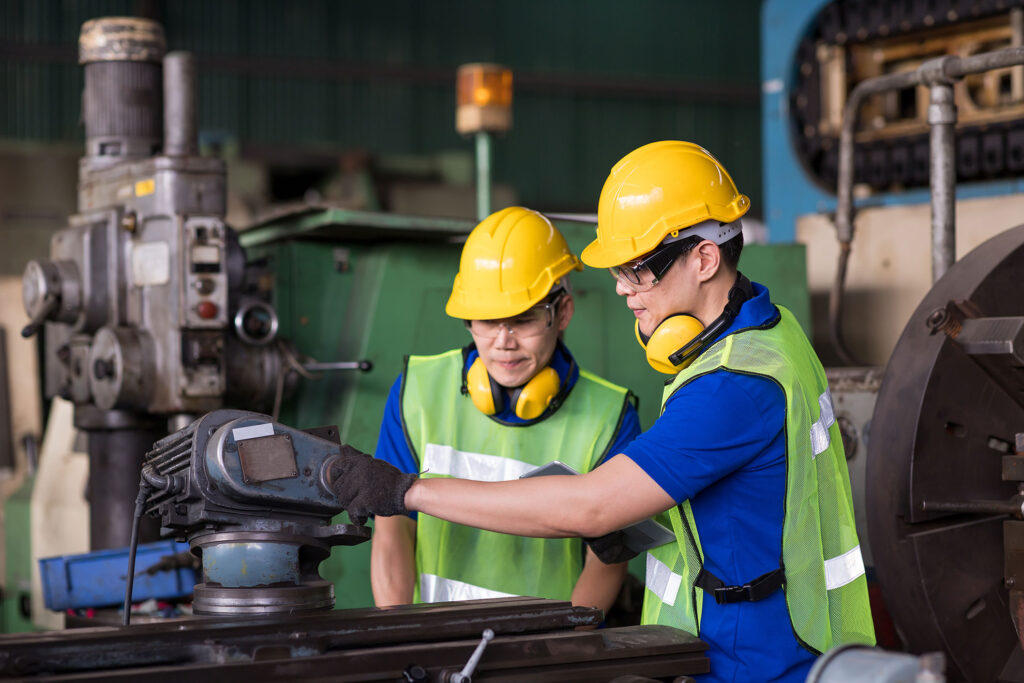
Whether you’re an apprentice just starting your career or a tradesperson with decades of experience, one thing remains constant safety should never stop being a priority.
The construction, manufacturing and engineering industries are constantly evolving. New technologies, updated equipment, changing regulations and revised Australian Standards mean that staying safe isn’t simply about relying on experience. It’s about continually learning, adapting and improving.
At Gimbal Training, we believe that ongoing safety training isn’t just about meeting compliance requirements—it’s about protecting lives, improving workplaces and building stronger careers.
Experience Is Valuable, But It Isn’t Everything
There’s no substitute for hands-on experience.
Experienced tradespeople develop practical skills, confidence and problem-solving abilities that only come with time on the tools. However, experience alone doesn’t guarantee you’re working to the latest industry standards. Workplace procedures evolve. Equipment changes. New materials are introduced. Safety legislation is updated. Without ongoing training, even highly experienced workers can unknowingly continue practices that are outdated or no longer considered best practice. The most respected tradespeople understand that learning never stops.
The Trades Industry Is Constantly Changing
Australian workplaces today look very different from those of even ten years ago. Across construction, cabinetmaking, glazing, engineering, painting and manufacturing, businesses are embracing:
· New machinery and equipment
· Advanced automation technologies
· Improved personal protective equipment (PPE)
· Safer work methods
· Digital tools and documentation
· Updated Australian Standards
· Changing Work Health and Safety (WHS) legislation
Keeping up with these changes helps ensure tradespeople remain safe, productive and valuable to employers.
Safety Is More Than Just Compliance
Many people think safety training is simply about ticking a compliance box. In reality, effective safety training creates safer habits that become part of everyday work.
Good safety practices help reduce:
· Workplace injuries
· Lost time due to incidents
· Equipment damage
· Project delays
· Workers’ compensation claims
· Risks to co-workers and the public
A strong safety culture also builds trust between employers, employees and clients. When everyone understands their responsibilities and follows safe work procedures, the entire workplace benefits. Every Worksite Is Different – Even experienced tradespeople encounter new risks when moving between projects.
Experienced Workers Can Become Complacent
Ironically, one of the biggest workplace risks isn’t always inexperience—it’s complacency. After performing the same task hundreds or even thousands of times, it’s easy to become comfortable and overlook simple safety steps. Regular refresher training encourages workers to:
· Reassess workplace hazards
· Review safe work procedures
· Stay alert to changing conditions
· Reinforce good habits
· Learn from industry incidents
Safety training isn’t about questioning someone’s ability—it’s about keeping safety front of mind. Employers Benefit Too – Investing in ongoing safety training isn’t just good for employees—it’s good for business.
Businesses that prioritise training often see benefits including:
· Improved workplace culture
· Reduced injury rates
· Greater productivity
· Increased employee confidence
· Better staff retention
· Reduced downtime
· Improved compliance with WHS obligations
Clients are also increasingly looking to work with contractors who demonstrate strong safety systems and a commitment to ongoing professional development.
Professional Development Includes Safety
Many tradespeople think of professional development as learning new technical skills or gaining additional qualifications. Safety training is equally important. By regularly updating safety knowledge, workers demonstrate professionalism and a commitment to high-quality workmanship. It also shows employers, colleagues and clients that they take their responsibilities seriously. In today’s industry, technical skills and safe work practices go hand in hand. Building a Culture of Continuous Learning – The safest workplaces are those where learning never stops.
Whether it’s attending refresher training, completing short courses, reviewing updated procedures or learning about new technologies, continuous improvement creates stronger, safer teams. Safety shouldn’t only be discussed after an incident—it should be part of everyday conversations on every worksite.
By encouraging ongoing education, businesses create environments where workers feel confident to ask questions, report hazards and continually improve.
How Gimbal Training Can Help
At Gimbal Training, we’re committed to helping apprentices, experienced tradespeople and employers develop the skills needed to succeed in today’s evolving industries. Our nationally recognised training, trade qualifications, Recognition of Prior Learning (RPL), apprenticeships and short courses are designed to help workers remain competent, compliant and confident throughout their careers. Whether you’re starting out in the trades or looking to upskill your existing workforce, investing in ongoing training is one of the best decisions you can make.
Key Takeaways
Safety isn’t something you learn once and never revisit. As industries evolve, so do workplace risks, technologies and best practices. That’s why the most successful tradespeople—and the most successful businesses—view safety training as an ongoing investment rather than a one-time requirement. Because when it comes to working safely, learning never stops.